
How to Store Non-Veg Pickles to Double Their Shelf Life
How to Store Non-Veg Pickles to Double Their Shelf Life
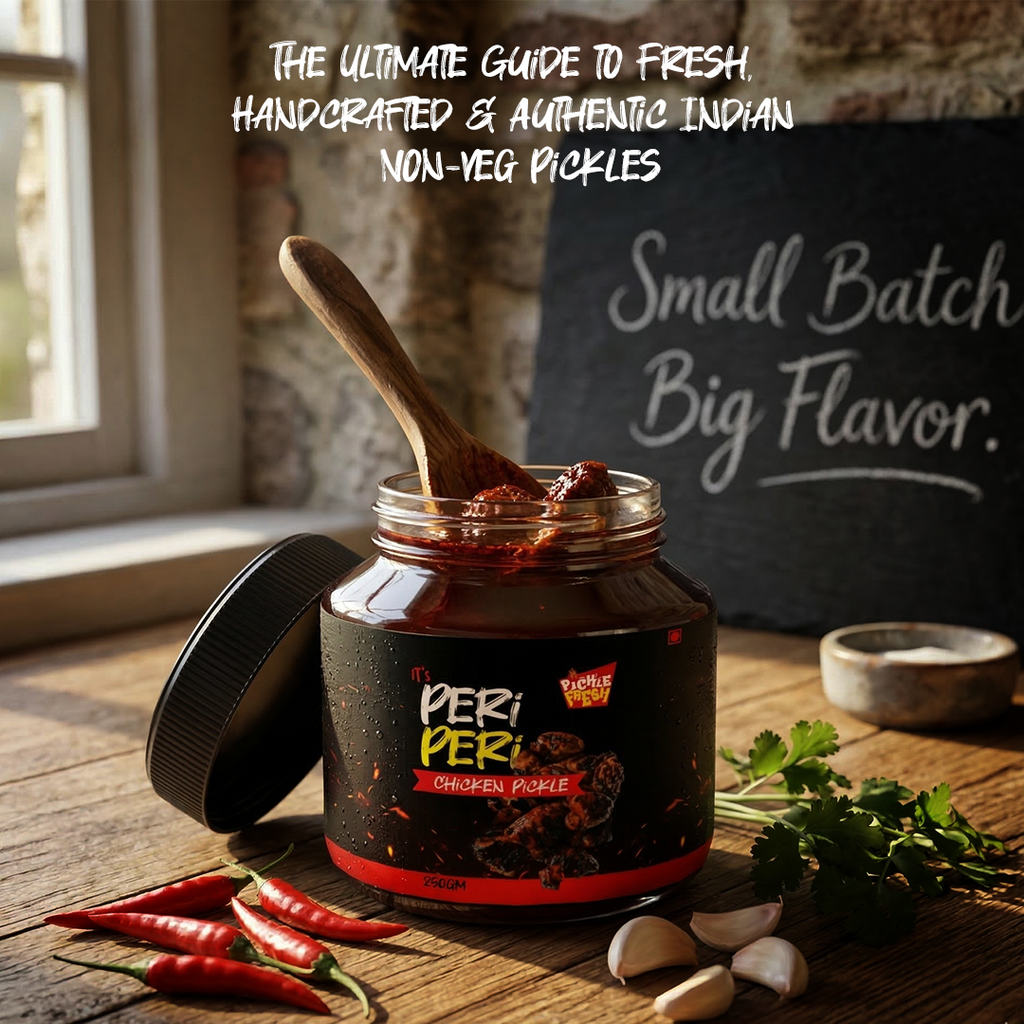
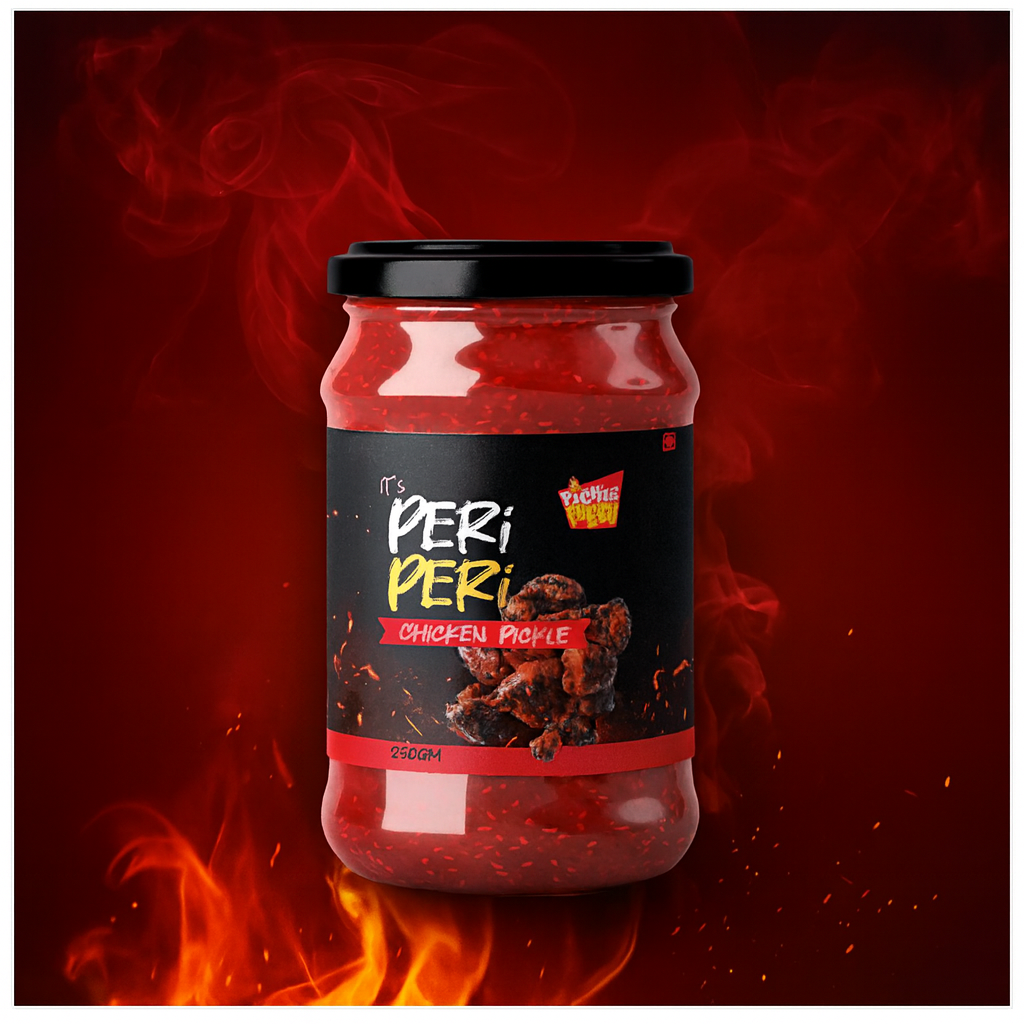
Pickle Fresh non-veg pickles are known for their bold flavours, aromatic spices, and deep traditional roots. Whether it is peri peri chicken pickle, prawn fusion pickle, or sea spice fish pickle, these handcrafted delicacies bring an intense burst of flavour to every meal. But because they contain meat or seafood, proper storage becomes extremely important.
At PickleFresh, we believe that great pickles deserve the same care in storage as they receive during preparation. When stored correctly, non-veg pickles can stay fresh, safe and flavourful for a much longer time. A few simple practices can significantly extend their shelf life while preserving the authentic taste.
This guide explains practical ways to store your non-veg pickles so you can enjoy every jar at its best.
Why Proper Storage Matters for Non-Veg Pickles
Non-veg pickles are different from traditional vegetable pickles because they contain protein-rich ingredients like chicken, fish, mutton and prawns. These ingredients make the pickle deeply flavorful but also more sensitive to moisture, contamination and temperature changes.
Traditional Indian pickling methods rely on three main preservation factors: oil, salt, and spices. These ingredients help prevent microbial growth and maintain freshness. However, improper storage can disturb this balance.
Exposure to moisture, dirty spoons, or fluctuating temperatures may reduce the shelf life of the pickle. When the storage conditions are correct, the pickle’s handcrafted spice blend, oil infusion and authentic aroma remain intact for months.
At PickleFresh, our non-veg pickles are prepared using fresh ingredients, traditional techniques and carefully balanced spices, which makes proper storage even more rewarding for the consumer.
Choose the Right Container for Storage
The type of container used for storing pickles plays a major role in maintaining quality.
Glass jars are often considered the best option because they are non-reactive and airtight. They prevent unwanted chemical reactions between the pickle and the container. A tight lid also protects the pickle from outside air and humidity.
Food-grade ceramic jars are another traditional option. Many Indian households have historically stored pickles in ceramic containers because they help maintain consistent conditions inside the jar.
Plastic containers should only be used if they are high-quality and food-safe, since low-grade plastics may react with the spices and oil over time.
Yes, at PickleFresh we provide our pickles in high-quality, food-grade plastic bottles. This choice is made primarily to ensure safe and secure transportation, as glass containers are more prone to breakage during handling and delivery. Our packaging is carefully selected to prevent leaks and maintain the freshness of the pickle until it reaches you. Once received, we recommend transferring the pickle into a clean, airtight glass jar for long-term storage and the best flavor experience.
Keep Moisture Away from the Pickle
Moisture is one of the biggest enemies of pickles.
Even a small amount of water entering the jar can disrupt the oil-salt balance that protects the pickle from spoilage. This can lead to mold formation or changes in texture and taste.
Before opening the jar, always ensure that your hands and the spoon used are completely dry. If you transfer pickles into another container make sure the container is thoroughly dried before use.
Maintaining a moisture-free environment ensures that the pickle remains fresh, safe and authentic for a longer period.
Always Use a Clean and Dry Spoon
Every time a jar of pickle is opened, it becomes exposed to outside air and potential contaminants. Using a clean, dry spoon is essential to maintain hygiene.
Avoid dipping wet spoons or spoons that have been used in other foods into the jar. Cross-contamination can introduce bacteria or moisture that may reduce the shelf life of the pickle.
It is also a good practice to take out the required quantity and immediately close the jar. Limiting exposure helps maintain the handcrafted flavour and aroma of the pickle.
Store the Pickle in a Cool, Dry Place
Temperature plays a key role in preserving non-veg pickles.
A cool and dry environment helps maintain the stability of the oil and spices that act as natural preservatives. Excessive heat may cause the oil to lose its protective properties or alter the taste of the pickle.
Many households store pickles in kitchen cabinets away from sunlight. Direct sunlight can gradually affect the colour, aroma and texture of the pickle.
Keeping the jar in a stable environment away from heat and humidity helps preserve the authentic taste for a longer time.
Ensure the Pickle is Covered with Oil
Oil is one of the most important natural preservatives in Indian pickling.
A proper layer of oil on top of the pickle prevents air from reaching the ingredients inside the jar. This protective layer slows down spoilage and helps maintain freshness.
If you notice that the oil layer has reduced over time, adding a small amount of heated and cooled oil can help restore the protective barrier.
This simple practice keeps the pickle well preserved while maintaining the rich spice infusion.
Refrigeration Can Extend Shelf Life
For non-veg pickles, refrigeration can significantly extend freshness.
While many pickles can be stored at room temperature, keeping them in the refrigerator provides an additional layer of protection. The lower temperature slows down microbial activity and preserves the texture of the meat or seafood.
Refrigeration is especially useful after the jar has been opened multiple times.
At PickleFresh, we often recommend refrigerating non-veg pickles after opening to ensure they remain fresh, handcrafted and authentic for a longer duration.
Signs That a Pickle May Be Spoiling
Even well-stored pickles should occasionally be checked for quality.
A strong unpleasant smell, visible mould or unusual discolouration may indicate that the pickle has begun to spoil. Changes in texture or excessive moisture inside the jar can also be warning signs.
If any of these signs appear, it is best not to consume the pickle.
Regular observation ensures that you always enjoy pickles at their best flavour and safest condition.
The PickleFresh Promise
At PickleFresh, every jar is prepared with carefully selected fresh ingredients, handcrafted spice blends and authentic Indian pickling techniques. Our goal is to bring the rich tradition of non-veg pickles to modern kitchens while maintaining quality and safety.
Non-veg pickles are more than just condiments. They are a celebration of Indian culinary tradition, handcrafted preparation and bold flavours.
With the right storage practices, you can preserve the freshness, taste and quality of your pickles for a much longer time.
Because when pickles are cared for, every spoonful tastes just as vibrant as the day it was made.
At PickleFresh, every jar holds handcrafted tradition store it well, and the flavour stays timeless.